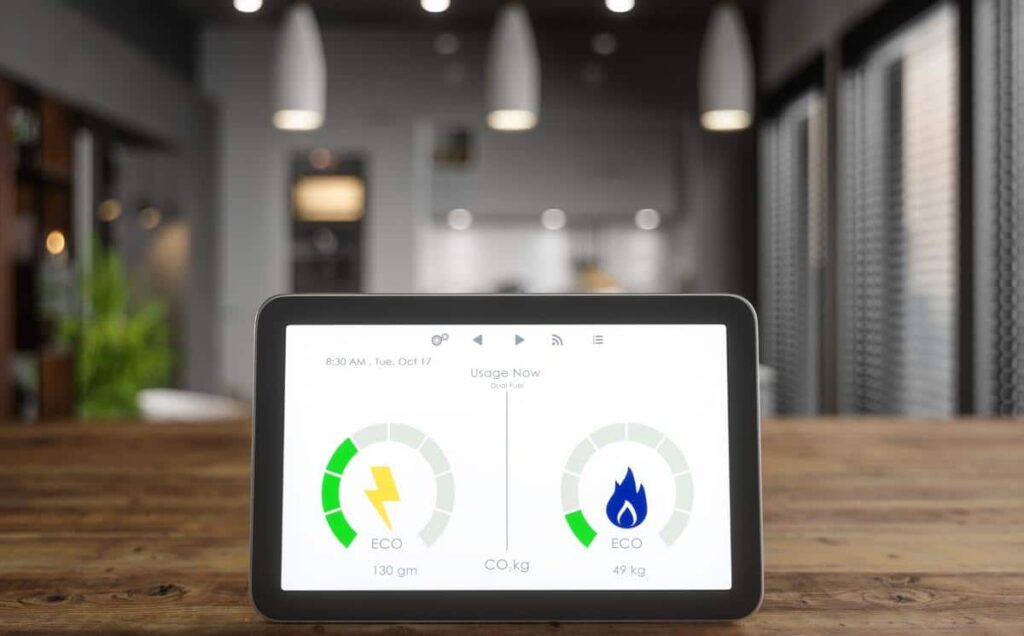
Smart thermostats have revolutionized the way we control and manage our home’s heating and cooling systems. These innovative devices offer advanced features and connectivity options that can significantly enhance energy efficiency and reduce utility costs. In this article, we will delve into the pros and cons of smart thermostats for energy efficiency, helping you make an informed decision about integrating this technology into your home.
The Pros of Smart Thermostats
- Energy Savings: One of the primary benefits of smart thermostats is their ability to optimize energy usage. These devices can learn your preferences, schedule, and even adapt to your daily routine, automatically adjusting temperature settings to minimize energy waste. By intelligently regulating your HVAC system, smart thermostats can help reduce energy consumption and lower your utility bills.
- Remote Access and Control: Smart thermostats offer the convenience of remote access and control through smartphone apps. This means you can adjust temperature settings from anywhere, allowing you to optimize energy usage even when you’re away from home. Whether you’re on vacation or just running errands, you can ensure efficient energy management by remotely adjusting your thermostat settings.
- Learning Capabilities: Many smart thermostats incorporate learning algorithms that analyze your temperature preferences and habits over time. They can adapt to your schedule, automatically adjusting temperatures to ensure comfort when you’re home and energy savings when you’re away. This learning capability eliminates the need for manual adjustments, making it effortless to maintain an energy-efficient home environment.
- Integration with Smart Home Systems: Smart thermostats can seamlessly integrate with other smart home devices, creating a cohesive and efficient ecosystem. By connecting with sensors, motion detectors, and occupancy sensors, they can optimize temperature control based on occupancy and room conditions. This integration enhances energy efficiency by ensuring that energy is only consumed when and where it’s needed.
The Cons of Smart Thermostats
- Cost: One potential drawback of smart thermostats is their upfront cost. Compared to traditional thermostats, smart thermostats can be more expensive. However, it’s important to consider the long-term savings and energy efficiency benefits that smart thermostats offer. Over time, the energy savings they provide can offset the initial investment.
- Compatibility: Not all HVAC systems are compatible with smart thermostats. Before purchasing a smart thermostat, it’s essential to ensure that it is compatible with your existing heating and cooling system. Some older systems may require additional wiring or adapters to work with smart thermostats, which can add complexity and cost to the installation process.
- Learning Curve: Smart thermostats come with a learning curve, especially during the initial setup and customization process. You may need to spend some time configuring the device, setting up schedules, and adjusting preferences to suit your needs. While most smart thermostats offer intuitive interfaces, it may take some time to fully understand and optimize all the features and settings.
Embracing Energy Efficiency with Smart Thermostats
Smart thermostats offer numerous benefits for energy efficiency, including energy savings, remote access and control, learning capabilities, and integration with smart home systems. While there may be upfront costs, compatibility considerations, and a learning curve associated with smart thermostats, the long-term energy savings and convenience they provide make them a worthwhile investment.
When considering a smart thermostat for your home, evaluate your specific needs, compatibility requirements, and budget. Choose a reputable brand and ensure professional installation or follow the manufacturer’s guidelines for self-installation.
By embracing smart thermostats, you can enhance your home’s energy efficiency, reduce utility costs, and create a more comfortable living environment while minimizing your carbon footprint.
If you have any questions or need assistance with selecting the right smart thermostat for your home, our team at Home Tech Pro Guide is here to help. Let us guide you towards an energy-efficient future that brings comfort, convenience, and savings to your home.