Smart homes have revolutionized the way we live, offering convenience, comfort, and enhanced energy efficiency. However, with the increased adoption of smart devices, many homeowners wonder about the energy consumption of their smart home systems. In this article, we will delve into the energy usage of smart homes and provide insights into how you can optimize energy efficiency without sacrificing the benefits of a connected home.
Understanding Standby Power
One key aspect of energy consumption in smart homes is standby power, also known as vampire power or phantom load. Standby power refers to the energy consumed by electronic devices even when they are in standby or idle mode. Many smart devices, such as smart speakers, smart plugs, and voice assistants, remain connected to the network and consume power to stay ready for commands or to maintain connectivity.
To reduce standby power consumption in your smart home, consider implementing power-saving practices. For instance, you can group devices together using power strips and turn them off completely when not in use. Additionally, some smart devices allow you to schedule power-off times or utilize energy-saving modes, helping to minimize standby power consumption.
Smart Home Energy Monitoring
To gain a better understanding of your smart home’s energy usage, consider installing an energy monitoring system. These systems provide real-time insights into your energy consumption, allowing you to identify areas of high usage and make informed decisions to optimize energy efficiency.
Energy monitoring devices can be installed at the main electrical panel of your home, providing a comprehensive overview of energy consumption across all connected devices. By tracking and analyzing this data, you can identify patterns, detect energy-hungry devices, and take steps to reduce unnecessary energy consumption.
Optimizing Smart Home Energy Efficiency
While smart devices contribute to energy consumption, they also offer features and capabilities that can enhance energy efficiency. Here are a few ways to optimize energy efficiency in your smart home:
- Utilize Automation: Leverage the automation capabilities of your smart home system to create energy-saving routines. For example, you can program your lights to automatically turn off when a room is unoccupied or set your thermostat to adjust based on occupancy and ambient conditions.
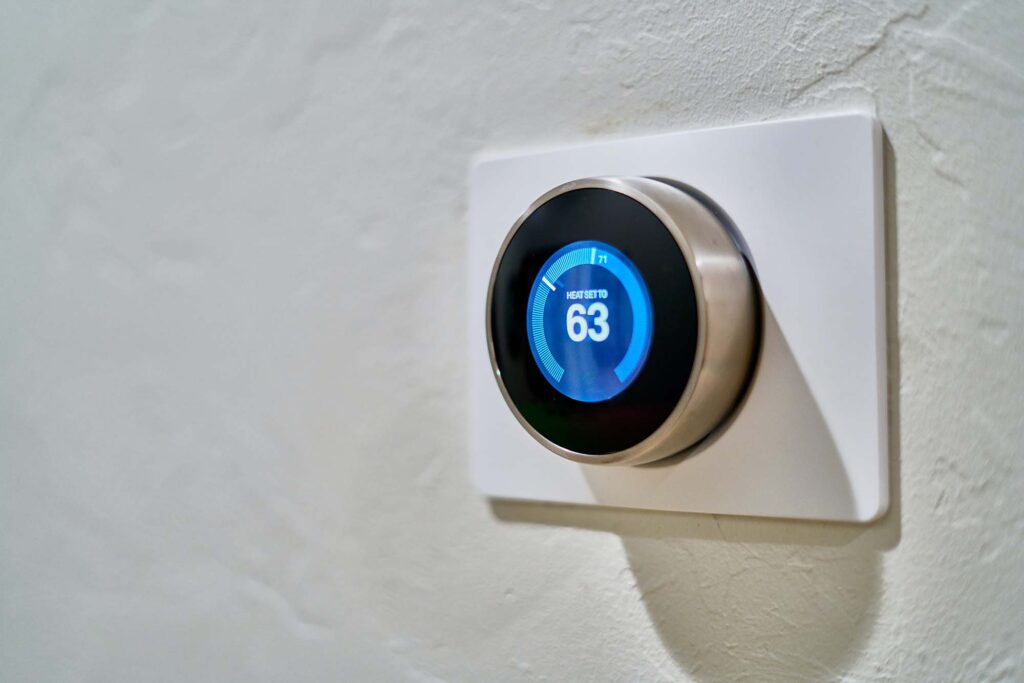
- Smart Thermostats: Invest in a smart thermostat that can intelligently manage your home’s heating and cooling based on your schedule and preferences. These devices can learn your habits and adjust temperature settings accordingly, maximizing comfort while reducing energy waste.
- Energy-Efficient Lighting: Replace traditional incandescent bulbs with energy-efficient LED bulbs. Additionally, explore smart lighting options that allow you to control brightness and schedule lighting scenes, optimizing energy usage and creating the perfect ambiance.
- Smart Power Strips: Use smart power strips to control and monitor power usage for multiple devices simultaneously. These strips can detect when devices are in standby mode and cut off power to reduce phantom load.
- Integration and Centralized Control: Integrate your smart home devices into a centralized platform or hub that allows you to manage and control them efficiently. This integration simplifies control, eliminates redundant devices, and reduces energy consumption.
Balancing Convenience and Energy Efficiency in Your Smart Home
Smart homes offer a wide range of benefits, from increased comfort and convenience to enhanced security and energy efficiency. While smart devices may contribute to energy consumption, implementing energy-saving practices and optimizing your smart home setup can significantly reduce your overall energy usage.
By understanding standby power, utilizing energy monitoring systems, and adopting energy-efficient practices, you can strike a balance between the convenience of a smart home and the goal of reducing energy consumption. Embrace the power of smart technology to create a more energy-efficient home that aligns with your values and contributes to a sustainable future.
If you have any questions or need guidance on optimizing your smart home’s energy efficiency, our team at Home Tech Pro Guide is here to assist you. Together, let’s create a smart home that not only enhances your lifestyle but also conserves energy and reduces environmental impact.
Feel free to reach out to us for any further inquiries or assistance you may need.