As smart home technology continues to evolve and advancements in energy efficiency gain momentum, the future of energy-efficient smart homes holds immense promise. From innovative energy management systems to the integration of emerging technologies, the next phase of smart homes is poised to revolutionize energy consumption, conservation, and sustainability. In this article, we will explore the future of energy efficiency in smart homes and the exciting possibilities that lie ahead.
Artificial Intelligence and Machine Learning
Artificial intelligence (AI) and machine learning (ML) are expected to play a significant role in the future of energy efficiency in smart homes. With AI and ML algorithms, smart home systems can learn from user behavior, adapt to preferences, and optimize energy usage based on real-time data. By analyzing patterns, consumption habits, and external factors, AI-powered smart homes can make proactive adjustments to minimize energy waste and maximize efficiency.
For example, an AI-driven smart home system can automatically adjust temperature settings based on occupancy, weather conditions, and individual preferences. It can optimize lighting schedules and dimming levels based on natural light availability and user habits. By continuously learning and adapting, these systems can achieve optimal energy efficiency without sacrificing comfort or convenience.
Advanced Energy Storage Solutions
One of the key challenges in renewable energy integration is efficient energy storage. In the future, we can expect significant advancements in energy storage technologies specifically designed for smart homes. These technologies will enable homeowners to store excess energy generated from renewable sources and utilize it during peak demand periods or when renewable energy generation is limited.
Energy storage systems, such as advanced batteries and smart grid integration, will allow homeowners to maximize the benefits of renewable energy. By intelligently managing energy flow and distribution, smart homes can minimize reliance on the grid and enhance self-sufficiency. This not only reduces energy costs but also contributes to a more resilient and sustainable energy ecosystem.
Internet of Things (IoT) Integration
The Internet of Things (IoT) will continue to play a pivotal role in energy-efficient smart homes. As the number of connected devices increases, the seamless integration and communication between these devices will become paramount. IoT-enabled smart home ecosystems will allow for comprehensive energy monitoring, automation, and optimization.
For instance, a future smart home may utilize IoT sensors and devices to track energy consumption at a granular level, monitor appliance efficiency, and provide real-time feedback on energy-saving opportunities. Integration between smart appliances, lighting systems, HVAC (heating, ventilation, and air conditioning) units, and energy management platforms will create a cohesive network that intelligently manages energy usage throughout the home.
Emerging Technologies
The future of energy-efficient smart homes will witness the integration of emerging technologies that further enhance energy conservation and sustainability. Some of these technologies include:
- Energy Harvesting: Harvesting energy from ambient sources, such as solar, kinetic, or thermal energy, to power smart home devices and systems.
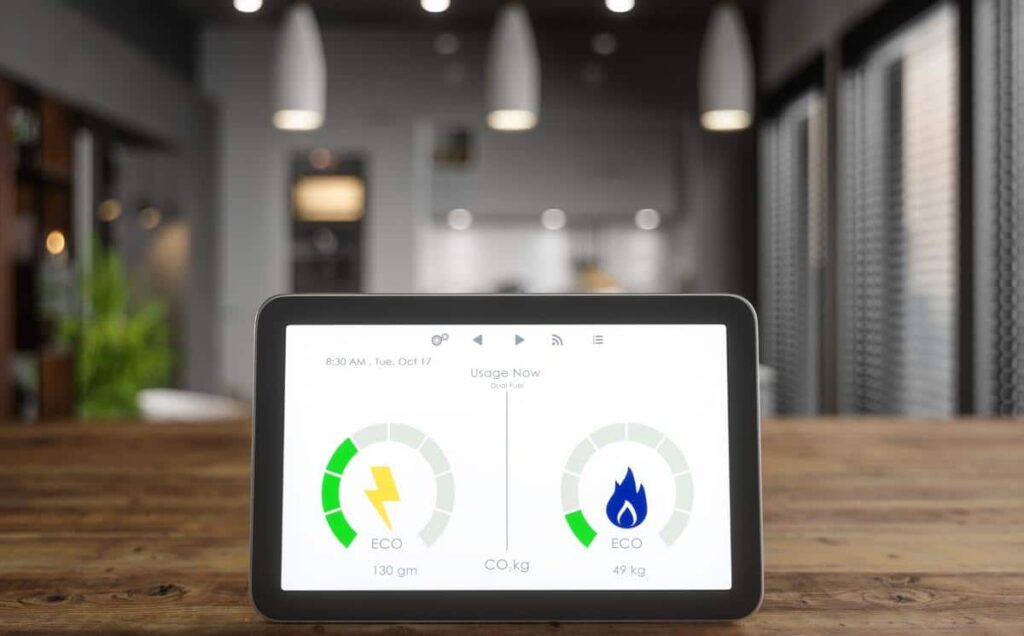
- Advanced Energy Monitoring: Highly accurate and non-intrusive energy monitoring technologies that provide real-time data on energy consumption and enable precise energy-saving strategies.
- Blockchain for Energy Management: Utilizing blockchain technology to create decentralized energy marketplaces, enable peer-to-peer energy trading, and incentivize energy-efficient practices.
- Energy-Efficient Materials: Developing energy-efficient building materials and technologies that enhance insulation, reduce heat transfer, and optimize energy usage within the home.
A Bright and Sustainable Future Awaits
The future of energy efficiency in smart homes is bright and holds tremendous potential for creating sustainable living environments. With advancements in artificial intelligence, advanced energy storage solutions, IoT integration, and emerging technologies, smart homes will become more energy-conscious, environmentally friendly, and cost-effective.
The continued innovation and adoption of energy-efficient smart home technologies will not only benefit individual homeowners but also contribute to global energy conservation efforts. As we move forward, it is crucial to embrace these technological advancements, raise awareness about energy efficiency, and make informed choices to create a brighter and more sustainable future for generations to come.
The future of energy-efficient smart homes is within our reach. By staying informed, embracing new technologies, and making conscious decisions, we can shape a world where energy efficiency and sustainability are at the forefront of our homes and communities.