Welcome to Home Tech Pro Guide’s Demystifying Home Tech series. In this article, we will delve into the reliability of wireless security systems and investigate their effectiveness in protecting your home. As technology advances, wireless security systems have become increasingly popular due to their convenience and flexibility. However, it’s essential to understand their reliability to make informed decisions about home security. Let’s explore the key factors that determine the reliability of wireless security systems.
Signal Strength and Range
One of the primary concerns with wireless security systems is the strength and range of their signals. While wireless systems offer the advantage of flexibility and easy installation, the reliability of the system heavily depends on the strength of the wireless signal. Weak or intermittent signals can lead to communication issues between components, potentially compromising the overall effectiveness of the system.
To ensure reliable performance, it’s crucial to consider the range of the wireless system and evaluate its capability to transmit signals across the desired area. Factors such as the size of your home, the layout, and potential signal interferences (e.g., thick walls, large metal objects) can affect signal strength and range. Opting for wireless security systems that utilize advanced wireless technologies, such as mesh networking, can enhance signal strength and coverage throughout your home.
Battery Life and Power Backup
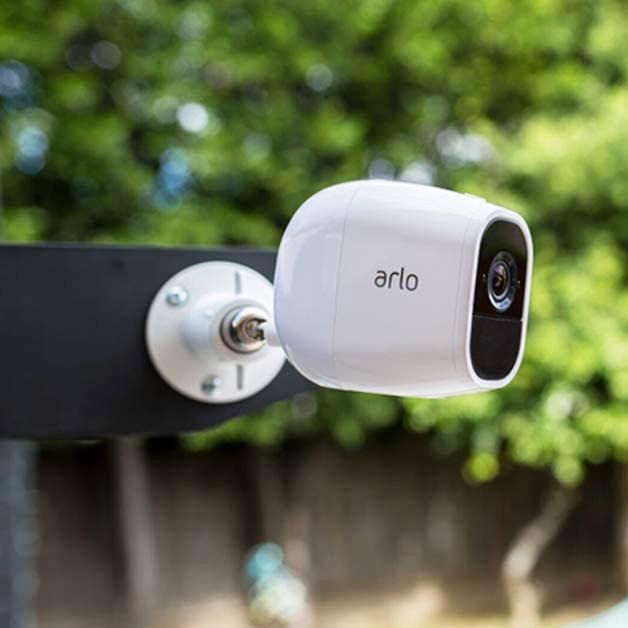
Another critical aspect of wireless security system reliability is battery life and power backup. Wireless components, including sensors, cameras, and control panels, rely on batteries for their operation. It’s essential to choose a system that offers reliable battery life, ensuring that the components remain functional even during power outages or when the main power source is unavailable.
Consider wireless security systems that provide long-lasting batteries or rechargeable options, allowing for extended periods of uninterrupted operation. Additionally, systems with built-in power backup capabilities, such as backup batteries or solar-powered options, can provide an added layer of reliability during power disruptions.
Wireless Interference and Hacking Risks
Wireless security systems are susceptible to potential interference and hacking risks. Wireless signals can be affected by other electronic devices operating on similar frequencies, leading to signal disruptions or false alarms. Additionally, the wireless nature of these systems makes them potentially vulnerable to hacking attempts if proper security measures are not in place.
To mitigate interference risks, select wireless security systems that operate on secure wireless protocols, such as Wi-Fi with WPA2 encryption or Zigbee with AES encryption. These protocols provide stronger security measures to safeguard the system’s signals from unauthorized access or interference.
Furthermore, ensure that your wireless security system utilizes robust security features, such as encrypted communication channels and two-factor authentication. Regularly updating the system’s firmware and passwords can also help prevent potential hacking attempts and ensure the ongoing reliability of the system.
The Investigation Results
Wireless security systems offer convenience and flexibility, but their reliability depends on various factors. Factors such as signal strength and range, battery life and power backup, and protection against wireless interference and hacking play significant roles in determining the overall reliability of the system. By carefully considering these factors and selecting wireless security systems that address these challenges, homeowners can enhance the reliability and effectiveness of their home security measures.